Alegrías de Córdoba
V. Alegrías de Caí
Teaching a letra of Córdoba last night, I started to realize what makes the style distinct - at least in my mind and body.
For those who may not know, alegrías is one of many palos or musical styles within flamenco. Like many palos, there are also regional and even individual variations within the palo. Each is defined by melody, tones, tempo, rhythm. Alegrías de Cádiz and de Córdoba are regional variations of the same palo.
When I went to choreograph material to teach, I initially felt a bit stuck. I thought I might look at some exemplary dancers performing the style, but found none on YouTube. So, I had to just listen to the music, draw from what I knew, and see what came out. Which is a better way to work anyway!
As I broke down the steps and watched the students start to internalize the movements I’d created and connect them to the music, I had an epiphany about what makes this regional variation unique.
So first, I saw that the students were missing the continuity and flow of the steps, not so much from not knowing the sequence, but losing the thread of the cante and the overall feeling of the piece. I realized that Caí is high energy, always traveling, moving, energized - but so is Córdoba, but in a different way. And I started to think about why and how right in that moment.
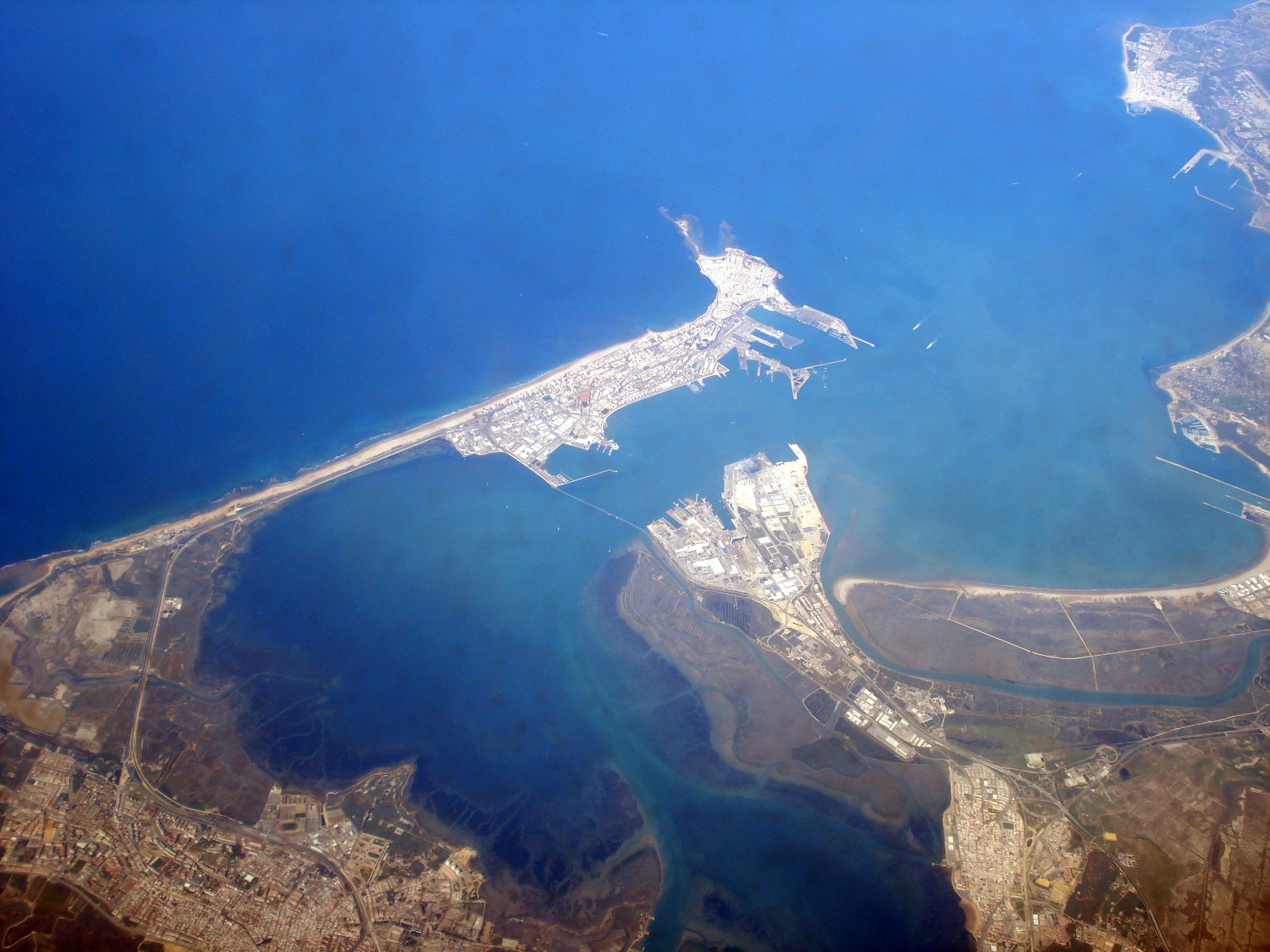
"Vista aerea bahia Cadiz" by Hispalois is licensed under CC BY 3.0.
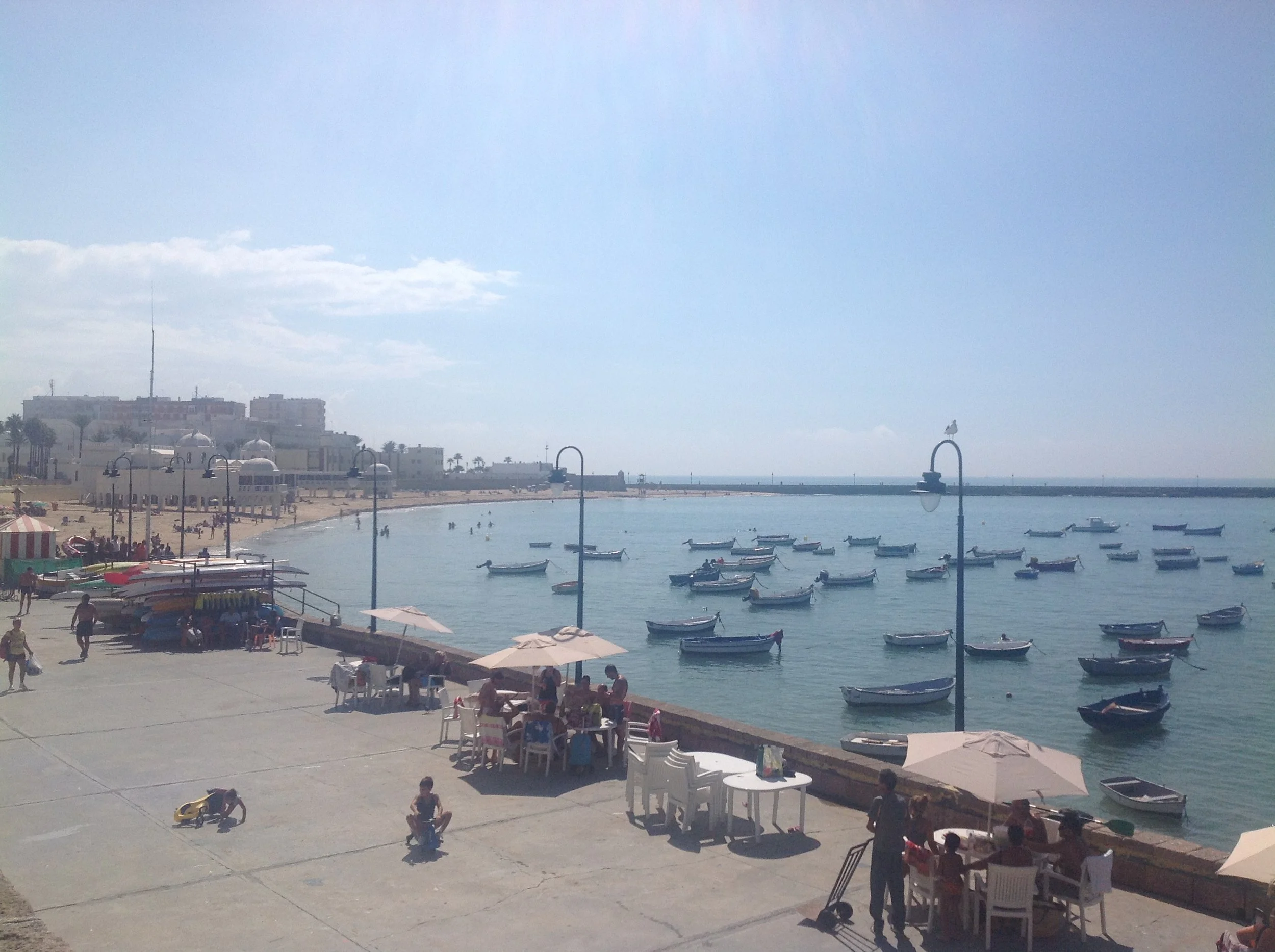
Bay of Cádiz
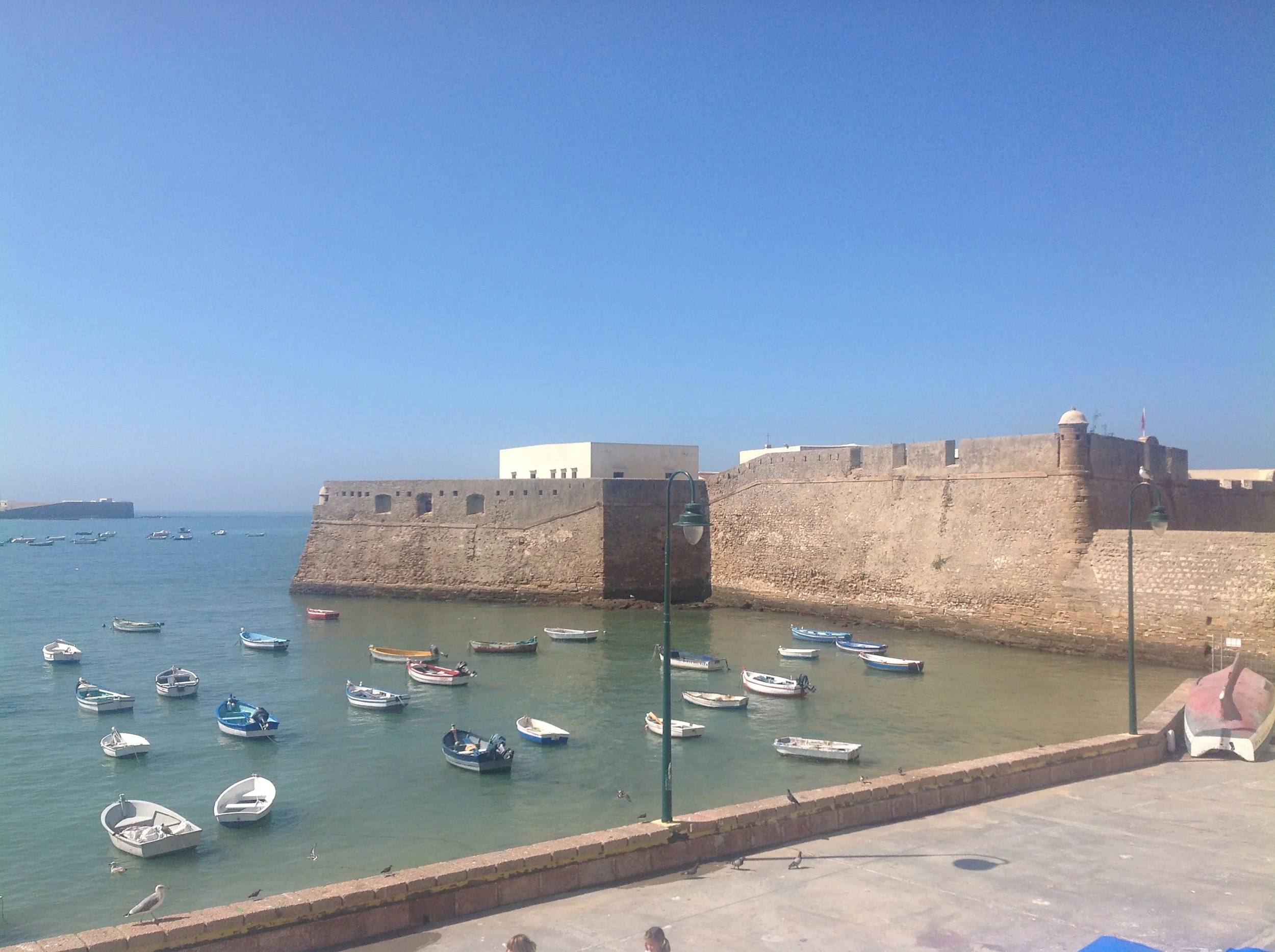
Cádiz is a beach town, a naval town, its economy and history deeply tied to the ocean. This is apparent in the lyrics that sing about the Napoleonic wars, as well as the landscape, arriving in the bay, the fortress that juts into the ocean, the romantic relationship structures that emerge from being a town of sailors, etc. The approach into the bay is quite stunning, you see the landscape unfold before you as you near - Cádiz feels like an island. It is like entering into a different world. The landscape is in the movement quality - from a choppiness like the waves to high energy traveling steps, hops, and sharp weight shifts.
But Córdoba is not a beach town. It’s surrounded by rolling hills, much of which are covered in olive groves, as well as sunflowers. And it’s most known for the Mezquita and its seemingly infinite array of arches. And its most well known festival is the Fiesta de los Patios, where family homes are open to the public showing off arrays of decorative flowers. Those arcs and rolling hills and ornamental flowers are in the song. And the minor key, the drawn out note when it first enters gives a punch in the gut. While we could analyze the music theory, the notes come from a place and a people…
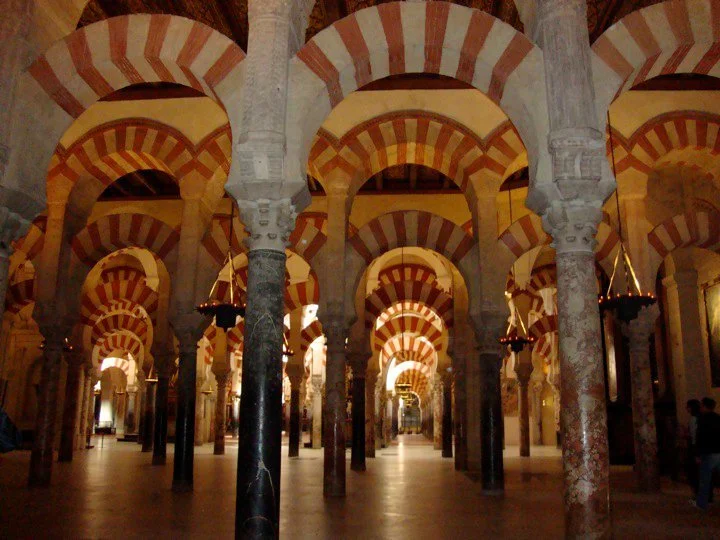
The Mezquita in Córdoba.
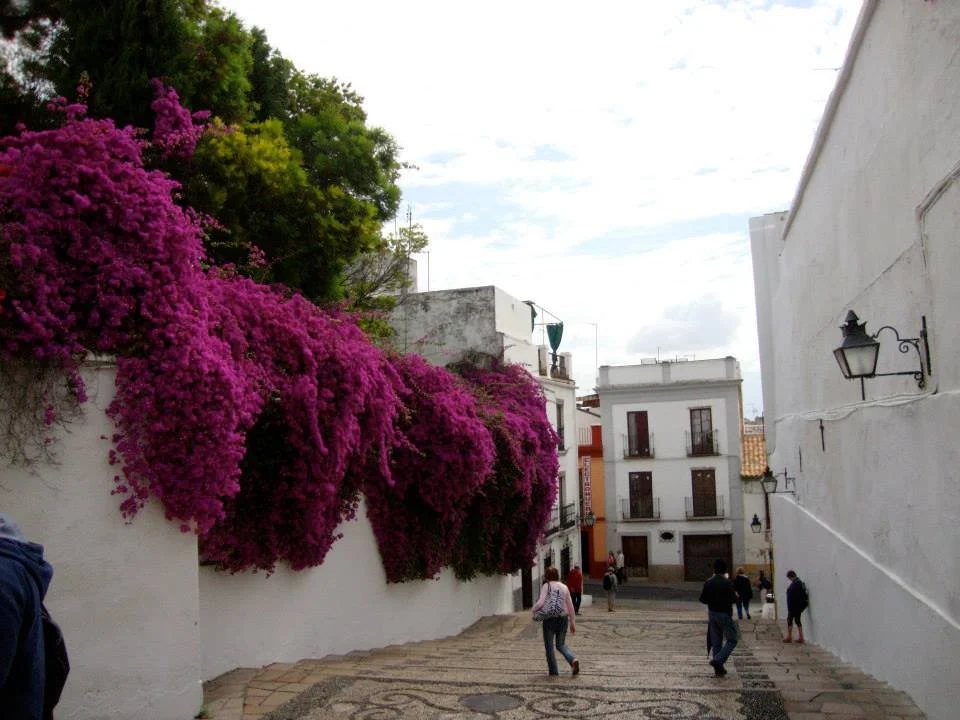
Flowers cascading over a wall in Córdoba.
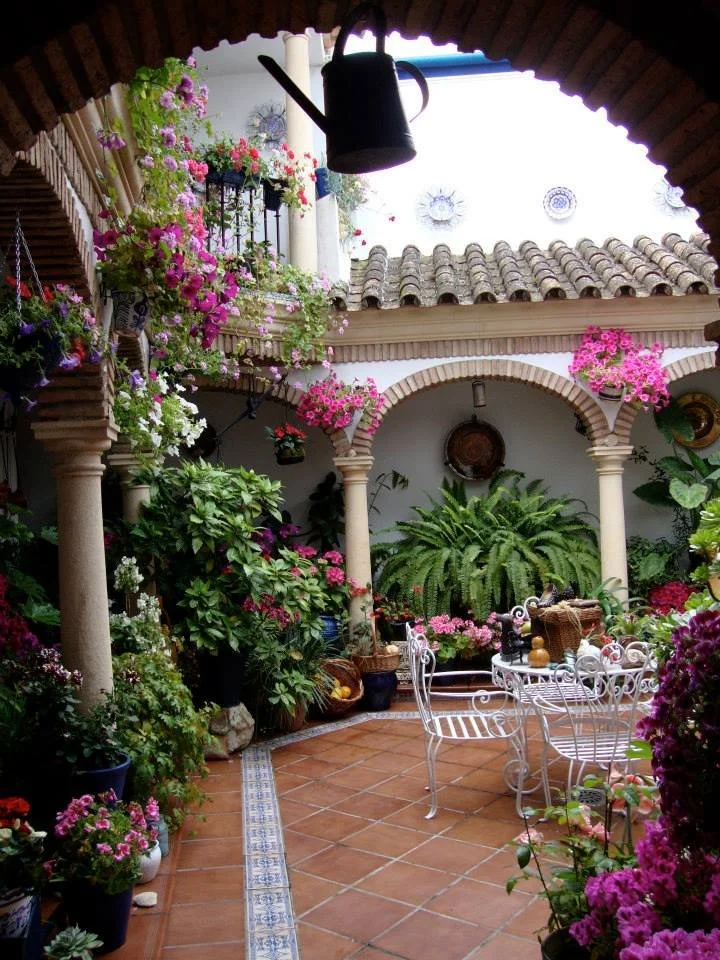
View of a patio during the Fiesta de los Patios in Córdoba in 2013.
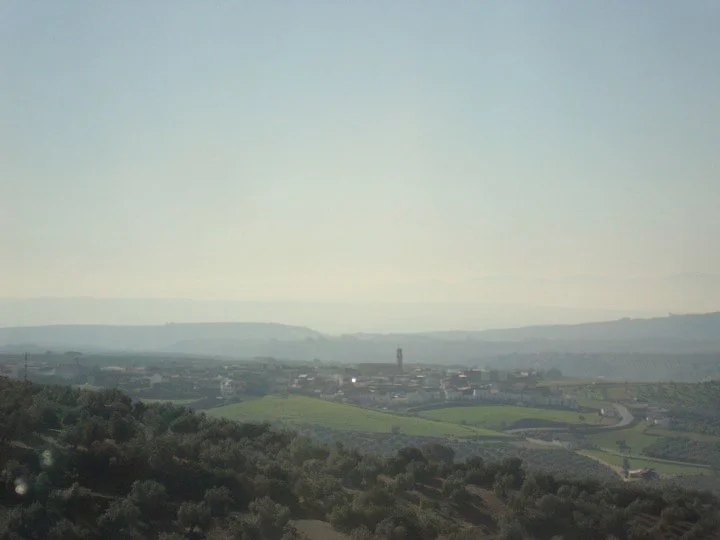
The landscape around Córdoba as seen from the train.
As I was trying to explain all this, I also realized the only alegrías de Córdoba I learned was from Antonio Hidalgo, who is from Córdoba, and was sung by Pedro Obregón, also from Córdoba. And I thought about their relationship to the city, the pueblos they are from, and I could always sense a wanting to go back, but having to live in Madrid for work (there’s not much opportunity for flamenco artists in Córdoba). Now I could be wrong, it’s just my interpretation of how they talked about their hometowns, how often they’d go back…I suddenly realized that the minor key and the melody in which it's sung creates a pang of nostalgia, not just any punch in the gut, but overwhelming nostalgia.
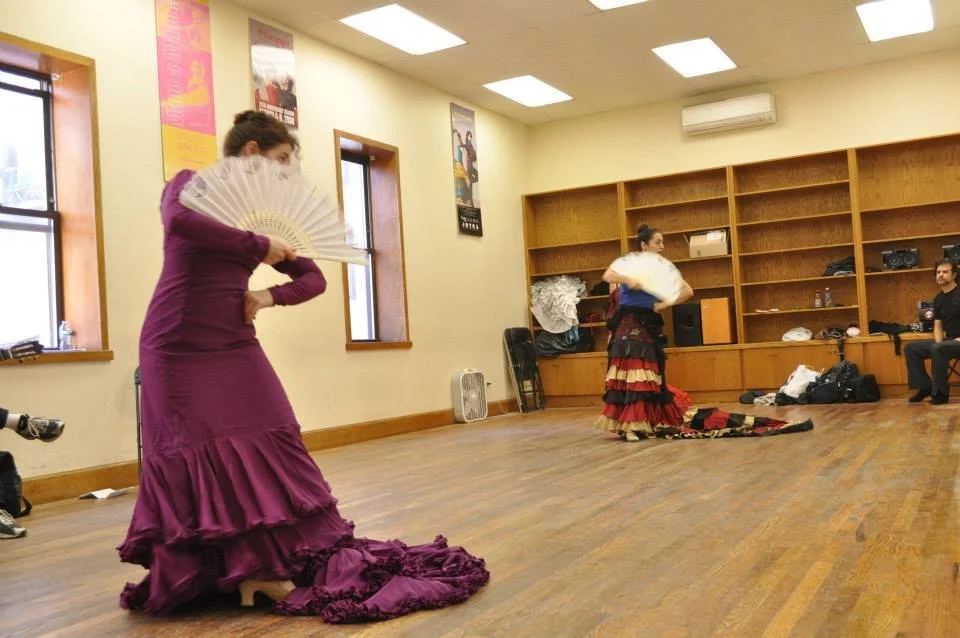
Dancing the letra of alegrías de Córdoba in rehearsal at FVCS studios with Antonio Hidalgo watching in the corner.
I don’t really remember the choreography I learned from Hidalgo while touring with Flamenco Vivo, I only danced it a few times on tour, though I heard it every single show. And that minor note on the second part of the verse always got me as I prepared for my entrance in the next section. If I could name a favorite note in the whole show, that was it. The choreography was done with batas and abanicos, and so those arcs and hillsides came through with the props. Something of the essence must have remained with me, and the music, when we really tune into it, shows us the essence anyway.
And I also started to think about how important it is to learn from people who are from these places. While I don't think you have to be from a specific place to dance/sing a style from that place well, there is something to being a part of that lineage, and to being surrounded by the same landscapes, the same ambience that shaped the music. Every town has a personality, so knowing flamenco is not just knowing the music, but having a correspondence, a relationship in some way with the places where these forms come from.
It’s no longer a disadvantage that only foreigners face - Andalusia has become globalized, and the small towns lose the intensity of their identities in some ways. And yet, the music and stories and histories and poetry (verses too!) keep it alive.
In the “rhythm circle” class to follow the repertory class, we played around more with this idea by improvising to different recordings of alegrías de Córdoba. In order to get the students to break away from “over-dancing,” I had them not move their legs - interpret the letra with their upper body alone. I saw clarity in their technique and connection to the music I’d never seen before from some of them. The often present “congestion” from excess tension or misalignment disappeared in many moments! So then, I did the same but with the legs. Not doing marcajes, but translating the letra, embodying it in the lower body alone. In this, I saw such innovation! New ways to carry the melody in the lower body instead of reverting to marking the standard compás.
The next step in this laboratory (I realized I need to rename the intermediate Rhythm Circle class Flamenco Lab), would be to not just improvise the legs, but set a clear sequence that matches the verse, then add arms on top of that. The goal is to embody the letra fully, but not just copy traditional steps. So much to explore, and alegrías de Córdoba is so rich in its danceability.
Whether you’re a dancer, musician, or aficionado, give each style a listen and think about how the melody and notes make you feel. What memories or places does each style invoke in you? And if you’ve had the opportunity to visit Cádiz or Córdoba, does each city’s unique character come through to you?